Host-Response Biomarkers
Study immune-associated gene expression, inflammatory signaling, and molecular response patterns that may provide insights into host interactions with tuberculosis-associated infection.
Explore innovative biomarker discovery, molecular profiling, host-response signatures, and emerging diagnostic technologies advancing tuberculosis research. Discover how genomics, proteomics, transcriptomics, and computational biology can contribute to more informative research workflows and global scientific collaboration.
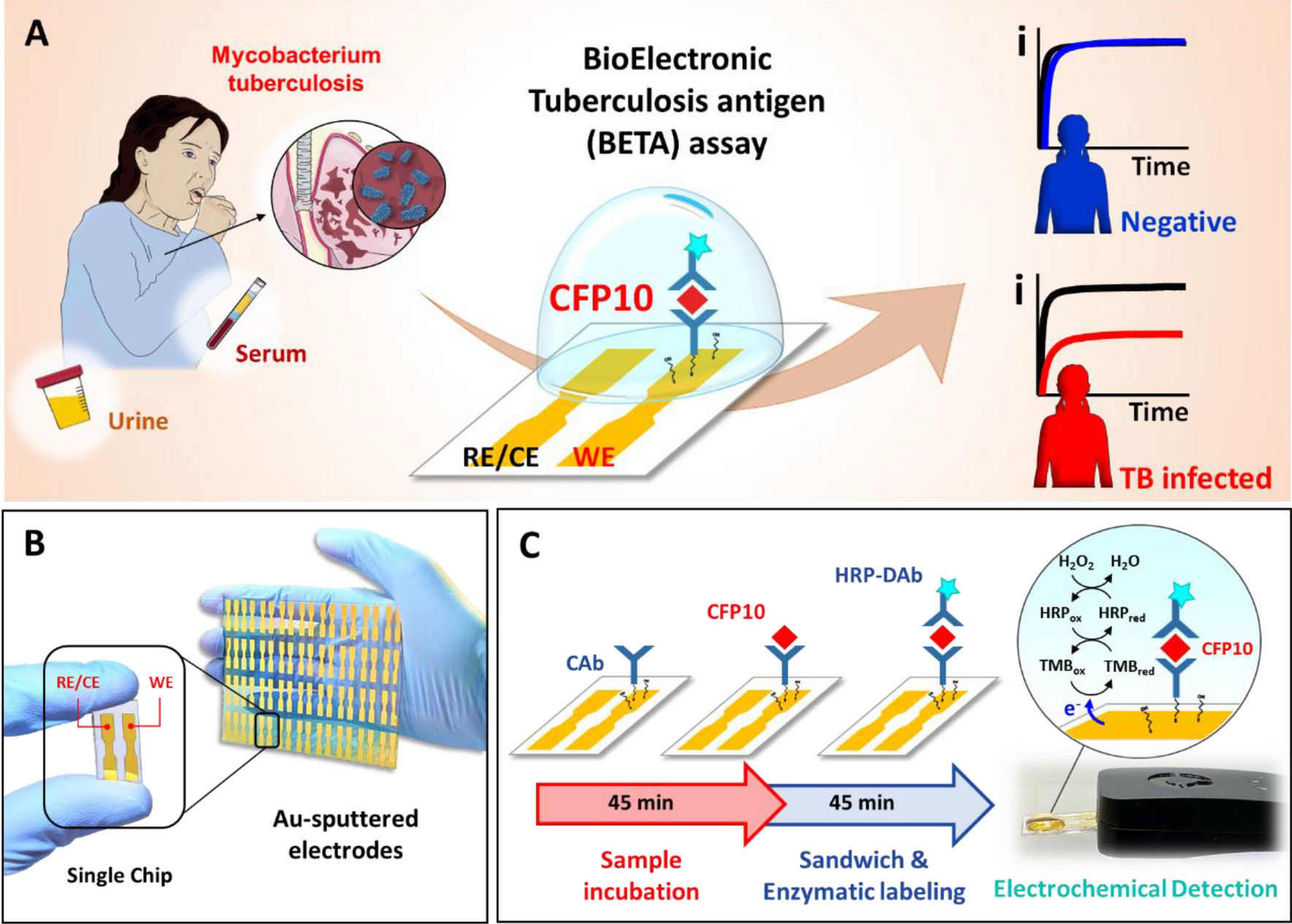

Tuberculosis (TB), caused by bacteria belonging to the Mycobacterium tuberculosis complex, remains an important focus of global biomedical research. Scientists investigate biological markers that may help distinguish infection states, characterize host immune responses, and support the development of improved detection methods.
Biomarkers may include proteins, RNA transcripts, metabolites, immune-response mediators, and other measurable biological features. By combining molecular profiling with carefully designed studies, researchers can investigate which signatures are reproducible, informative, and potentially useful in future diagnostic applications.
Multiple complementary research disciplines help scientists examine tuberculosis-associated biological changes, discover candidate biomarkers, and evaluate emerging molecular detection approaches.
Study immune-associated gene expression, inflammatory signaling, and molecular response patterns that may provide insights into host interactions with tuberculosis-associated infection.
Investigate genetic variation, microbial genomic characteristics, and host gene expression using sequencing technologies and molecular biology workflows.
Explore protein abundance, candidate protein biomarkers, and biological pathways using mass spectrometry, immunoassays, and complementary analytical methods.
Examine RNA expression patterns and transcriptomic signatures to better understand host-response variation and identify promising candidates for further validation.
Use bioinformatics, statistical modeling, and machine learning to process biological datasets, identify associations, and assess candidate biomarker performance.
Investigate nucleic acid amplification, molecular assays, immunoassays, and emerging analytical platforms for research into tuberculosis detection.
These research themes illustrate how complementary methods can contribute to the identification, analysis, and evaluation of candidate tuberculosis biomarkers.

Investigate candidate molecular signatures through systematic sample analysis, biological characterization, and independent validation strategies.

Examine analytical sensitivity, specificity, reproducibility, and practical workflow requirements when evaluating emerging molecular detection technologies.

Integrate genomic, transcriptomic, proteomic, and clinical research data to explore biological relationships and generate testable hypotheses.
Explore important research directions across host-response profiling, machine learning, and integrated molecular analysis. The titles below are suggested editorial topics, not verified publication records.
Investigate immune-response signatures, gene expression patterns, and the challenges of translating candidate biomarkers into reproducible research findings.
Examine feature selection, model validation, dataset bias, and computational approaches for interpreting complex molecular measurements.
Explore how complementary genomic, transcriptomic, and proteomic datasets can improve biological characterization and candidate prioritization.
Understand analytical performance, clinical validation, sample processing, and implementation considerations in molecular research workflows.
Access research services, scientific literature, and public data resources that can support the investigation of molecular biomarkers and tuberculosis-related biological processes.
Search peer-reviewed publications and reviews on tuberculosis biomarkers and molecular detection.
Explore literature ↗Discover gene expression datasets and transcriptomic studies available for secondary analysis.
Explore GEO ↗Discover research products and services for molecular biology, assay development, and laboratory workflows.
Explore services ↗Access international resources on tuberculosis research, surveillance, and scientific priorities.
WHO resources ↗Biomarker research typically progresses through several stages. The exact sequence depends on the study design, sample type, candidate marker, and intended application.
Identify candidate biological features through molecular profiling, literature review, and exploratory research.
Study biological relevance, measurement properties, reproducibility, and potential sources of variation.
Evaluate candidate markers using appropriate independent datasets, analytical methods, and study populations.
Assess whether validated findings can support further development of reliable and practical detection methods.
Progress in tuberculosis biomarker research depends on robust experimental design, transparent data analysis, reproducible methods, and collaboration across complementary scientific disciplines.
Interdisciplinary research in molecular biology, immunology, genomics, and computational science.
Experimental workflows, analytical method development, and independent validation of candidate markers.
Data integration, statistical analysis, machine learning, and reproducible computational workflows.
Knowledge exchange, appropriate study design, and research collaboration across diverse settings.
Explore molecular biology resources, research services, and scientific tools that can support your next project in biomarker discovery, genomic analysis, proteomic profiling, and laboratory research.