Tuberculosis Research in 2026: New Medicines and Treatments
Explore the latest tuberculosis research in 2026, including new TB medicines, shorter treatment regimens, long-acting injectables, biomarker discovery and innovative molecular technologies.
New Medicines, Shorter Treatments and Innovative Scientific Approaches
Discover the latest developments in tuberculosis research, emerging antimicrobial compounds, next-generation treatment strategies, molecular technologies and the future of TB prevention.
Tuberculosis research is entering a new era. Advances in antimicrobial drug development, shorter treatment combinations, molecular detection and long-acting medicine research are creating new opportunities to address one of the world's most persistent infectious diseases.
Caused by Mycobacterium tuberculosis, tuberculosis (TB) remains a major global public health challenge. Although established medicines have helped millions of people, drug resistance, delayed detection and lengthy treatment regimens continue to create significant scientific and healthcare challenges.
In 2026, several important developments are shaping the research landscape. Updated World Health Organization recommendations, new clinical trial findings and innovative approaches to medicine delivery are attracting attention from researchers, pharmaceutical developers and biotechnology institutions worldwide.
1. New Tuberculosis Treatment Guidelines: What Changed in 2026?

One of the most significant developments of 2026 is the publication of the World Health Organization's second edition of its consolidated tuberculosis treatment and care guidelines on 25 September 2026.
The updated document incorporates new and revised recommendations concerning drug-resistant tuberculosis, including shorter treatment options for selected patients with pre-extensively drug-resistant TB. It also addresses tuberculosis management in children and adolescents and introduces recommendations concerning palliative care for people with multidrug-resistant or rifampicin-resistant TB.
The updated guidelines demonstrate how evidence from clinical research can influence treatment strategies. Shorter treatment options may reduce the overall burden of treatment, but their use depends on disease characteristics, antimicrobial susceptibility and clinical eligibility.
Read the WHO 2026 guidelines →2. Bedaquiline, Pretomanid and New Drug Combinations

New treatment combinations represent an important step forward in drug-resistant tuberculosis research. Rather than relying on a single compound, researchers investigate combinations of medicines that target different bacterial mechanisms.
Several established compounds are particularly important in current treatment research:
Bedaquiline
Bedaquiline targets mycobacterial ATP synthase, an enzyme essential for energy production. Its introduction has significantly influenced modern multidrug-resistant TB treatment strategies.
Pretomanid
Pretomanid belongs to the nitroimidazole class. It contributes to combination treatment strategies through mechanisms involving mycobacterial cell-wall synthesis and respiratory processes.
Linezolid
Linezolid is an oxazolidinone antibiotic that inhibits bacterial protein synthesis. It is an important component of several modern drug-resistant TB regimens.
Delamanid
Delamanid is another nitroimidazole compound that interferes with mycobacterial cell-wall production and is being used in selected combination strategies.
The development of these combinations reflects a broader shift toward treatments designed around complementary biological mechanisms, antimicrobial susceptibility and improved treatment outcomes.
3. Six-Month Treatment Strategies for Drug-Resistant Tuberculosis

One of the most important objectives in tuberculosis research is reducing treatment duration without compromising effectiveness or safety.
The BPaLM regimen combines four medicines:
BPaLM: Four Medicines in One Combination
- B – Bedaquiline
- Pa – Pretomanid
- L – Linezolid
- M – Moxifloxacin
This six-month, all-oral regimen is an important treatment option for eligible people with rifampicin-resistant or multidrug-resistant tuberculosis.
The BPaL combination, which excludes moxifloxacin, is another option in selected circumstances, particularly when fluoroquinolone resistance is present.
In addition, the BDLLfxC combination, involving bedaquiline, delamanid, linezolid, levofloxacin and clofazimine, represents another important six-month treatment approach in the WHO recommendations.
These strategies are particularly important because they demonstrate how combination research can help reduce dependence on older, longer treatment approaches.
4. New Clinical Trial Evidence: Research Continues in 2026

Clinical trials remain essential for evaluating new tuberculosis treatment strategies. In June 2026, the New England Journal of Medicine published results from a pragmatic randomized trial investigating a six-month strategy for rifampicin-resistant pulmonary tuberculosis.
The trial evaluated a combination based on bedaquiline, linezolid, delamanid and levofloxacin, clofazimine, or both, compared with the nine-month standard-of-care regimen used in the study setting.
This research contributes to the growing evidence base supporting shorter treatment strategies and demonstrates the importance of evaluating new combinations in real-world clinical settings.
A Pragmatic Trial of a 6-Month Strategy for Rifampicin-Resistant Tuberculosis.
Explore the 2026 clinical trial publication →5. Long-Acting Injectable Medicines: A New Direction in TB Research

Another exciting research direction is the development of long-acting injectable formulations.
Traditional tuberculosis treatment often requires people to take medicines regularly over several months. Researchers are therefore investigating formulations that could release active compounds over extended periods, potentially reducing the frequency of administration.
On 26 October 2026, WHO published new target regimen profiles for long-acting injectables in tuberculosis prevention and treatment.
TB Prevention Research
The WHO target profile describes a preventive treatment goal that could potentially be delivered through a single injection at one encounter.
TB Treatment Research
For active TB disease, the target profile explores a regimen lasting no more than four months, delivered through three or fewer dosing encounters.
These are development targets, not approved treatment options. Several long-acting candidates are entering or approaching clinical development, and further research is needed to establish their safety, effectiveness, affordability and practical implementation.
Discover WHO's October 2026 publication on long-acting injectables →6. New Drug Candidates: What Are Researchers Investigating?
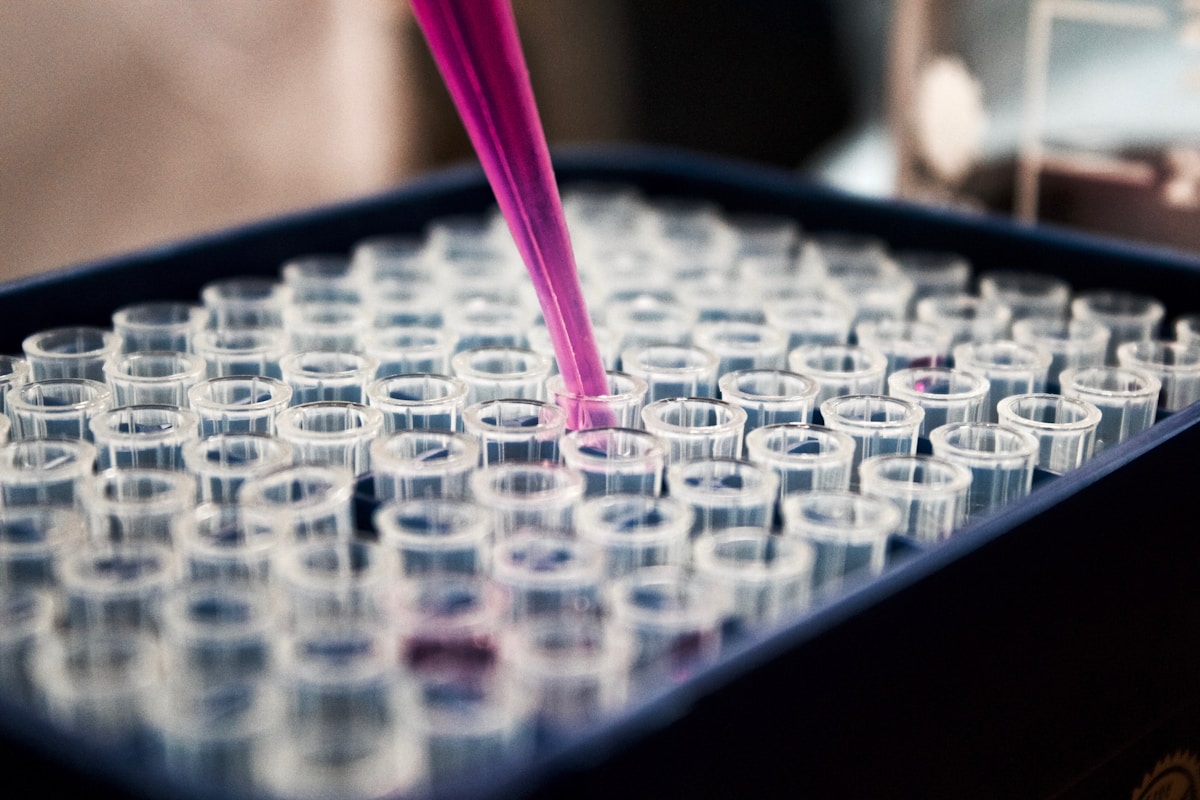
Beyond currently used medicines, scientists are investigating new chemical compounds that could provide additional options against drug-resistant Mycobacterium tuberculosis.
Several candidates are receiving attention in the tuberculosis drug-development pipeline:
BTZ-043
A candidate from the benzothiazinone class that targets DprE1, an enzyme involved in mycobacterial cell-wall biosynthesis.
Macozinone (PBTZ169)
Another DprE1-targeting compound under investigation for its potential activity against Mycobacterium tuberculosis.
Telacebec (Q203)
An investigational compound targeting the cytochrome bc1 complex, an important component of mycobacterial energy metabolism.
TBAJ-587 and TBAJ-876
Next-generation oxazolidinone candidates being investigated to explore improved antimicrobial activity and treatment tolerability.
Sutezolid
An investigational oxazolidinone compound being studied as a potential addition to future tuberculosis treatment combinations.
Quabodepistat
An investigational compound targeting DprE1, offering another approach to disrupting essential mycobacterial biological processes.
These compounds are at different stages of development. Their potential contribution to future TB treatment will depend on clinical trial results, safety evaluations, resistance profiles and regulatory assessment.
7. Molecular Detection and Biomarker Research: Improving TB Investigation
New medicines are only one part of the scientific response to tuberculosis. Researchers are also working to improve how TB infection, bacterial activity and antimicrobial resistance are investigated.
Molecular detection technologies and biomarker research are becoming increasingly important in this area.
Molecular Diagnostic Technologies
Molecular methods, including nucleic acid amplification tests, help researchers and laboratories identify Mycobacterium tuberculosis genetic material and investigate mutations associated with antimicrobial resistance.
Host-Response Biomarkers
Researchers are studying biological signals produced by the human immune system in response to tuberculosis. These include:
- Inflammatory cytokine profiles.
- Interferon-gamma-related immune signatures.
- Host gene-expression patterns.
- Protein biomarkers associated with immune responses.
- Metabolic and lipid signatures.
Multi-Omics Research
Combining genomics, transcriptomics, proteomics and metabolomics can provide a broader understanding of interactions between the host and Mycobacterium tuberculosis.
These approaches may support biomarker discovery, improved disease characterization, scientific investigation and the development of future molecular detection technologies.
8. Artificial Intelligence and the Future of Tuberculosis Research

Artificial intelligence is creating new opportunities for biomedical research. In tuberculosis science, AI-based approaches are being explored to analyze complex biological datasets and identify patterns that may be difficult to detect using conventional methods.
Potential research applications include:
AI in Drug Discovery
Computational models can help researchers screen chemical libraries, investigate molecular interactions and prioritize candidate compounds for further experimental evaluation.
Genomic Data Analysis
Machine-learning approaches can support the analysis of bacterial genomic variation and research into antimicrobial resistance patterns.
Biomarker Identification
AI can help identify complex patterns in transcriptomic, proteomic and metabolomic datasets, supporting biomarker discovery research.
Scientific Data Integration
Combining clinical, molecular and laboratory datasets can provide new perspectives on host-pathogen interactions and TB biology.
9. The Challenges That Still Need Scientific Attention
Despite considerable progress, tuberculosis research continues to face important challenges. The development of new medicines must be accompanied by improvements in detection, resistance monitoring, treatment access and scientific collaboration.
- Antimicrobial resistance: Understanding and preventing the emergence of resistance to existing and emerging compounds.
- Early detection: Improving molecular methods and identifying reliable biomarkers.
- Clinical research: Evaluating new compounds through well-designed clinical trials.
- Drug accessibility: Supporting affordable access to effective medicines and laboratory technologies.
- Research collaboration: Connecting universities, biotechnology organizations, laboratories and pharmaceutical developers.
The next generation of tuberculosis research will require an integrated approach combining pharmaceutical innovation, molecular biology, advanced analytical technologies and global scientific cooperation.
10. The Future of Tuberculosis Research
The scientific landscape of tuberculosis is changing rapidly. New drug combinations, next-generation antimicrobial compounds, long-acting formulations, molecular biomarkers and AI-assisted research are expanding the possibilities for future discoveries.
For researchers, biotechnology companies and scientific institutions, these developments highlight the importance of continued investment in molecular investigation, biomarker discovery, drug development and collaborative research initiatives.
Although many experimental approaches still require further validation, the progress achieved in recent years provides a strong foundation for the next generation of tuberculosis research.
Supporting Innovation in Tuberculosis and Biomarker Research
Explore biotechnology research products, laboratory resources and scientific solutions that can support molecular biology, immunology, biomarker investigation and life science research.
Discover research resources through Gentaur and explore solutions for your laboratory projects.
Explore Gentaur Research Products Discover Research ServicesConclusion
Tuberculosis research in 2026 reflects a major evolution in scientific thinking. From shorter treatment strategies and new antimicrobial compounds to long-acting formulations, biomarker discovery and artificial intelligence, researchers are exploring multiple ways to address persistent challenges in TB management.
The latest WHO recommendations and emerging clinical research demonstrate that innovation must continue beyond medicine development alone. Better molecular detection, understanding of host responses, improved resistance monitoring and international collaboration will all play important roles in shaping the future of tuberculosis science.
Scientific References and Further Reading
- WHO (2026) – Consolidated Guidelines on Tuberculosis: Module 4, Treatment and Care, Second Edition.
- WHO (2026) – Target Regimen Profiles for Long-Acting Injectables for Tuberculosis Prevention and Treatment.
- New England Journal of Medicine (2026) – A Pragmatic Trial of a 6-Month Strategy for Rifampicin-Resistant Tuberculosis.
- WHO (2025) – Landmark Changes in Treatment of Drug-Resistant Tuberculosis.
- CDC (2025) – Updated Guidelines on the Treatment of Drug-Susceptible and Drug-Resistant TB.
- The Lancet Microbe (2026) – Advances in Tuberculosis Treatment: Novel Regimens, New Drug Pipelines, Host-Directed Therapies, and Updated Management Guidelines.